




A tribute to the strong and courageous "Spalloni"
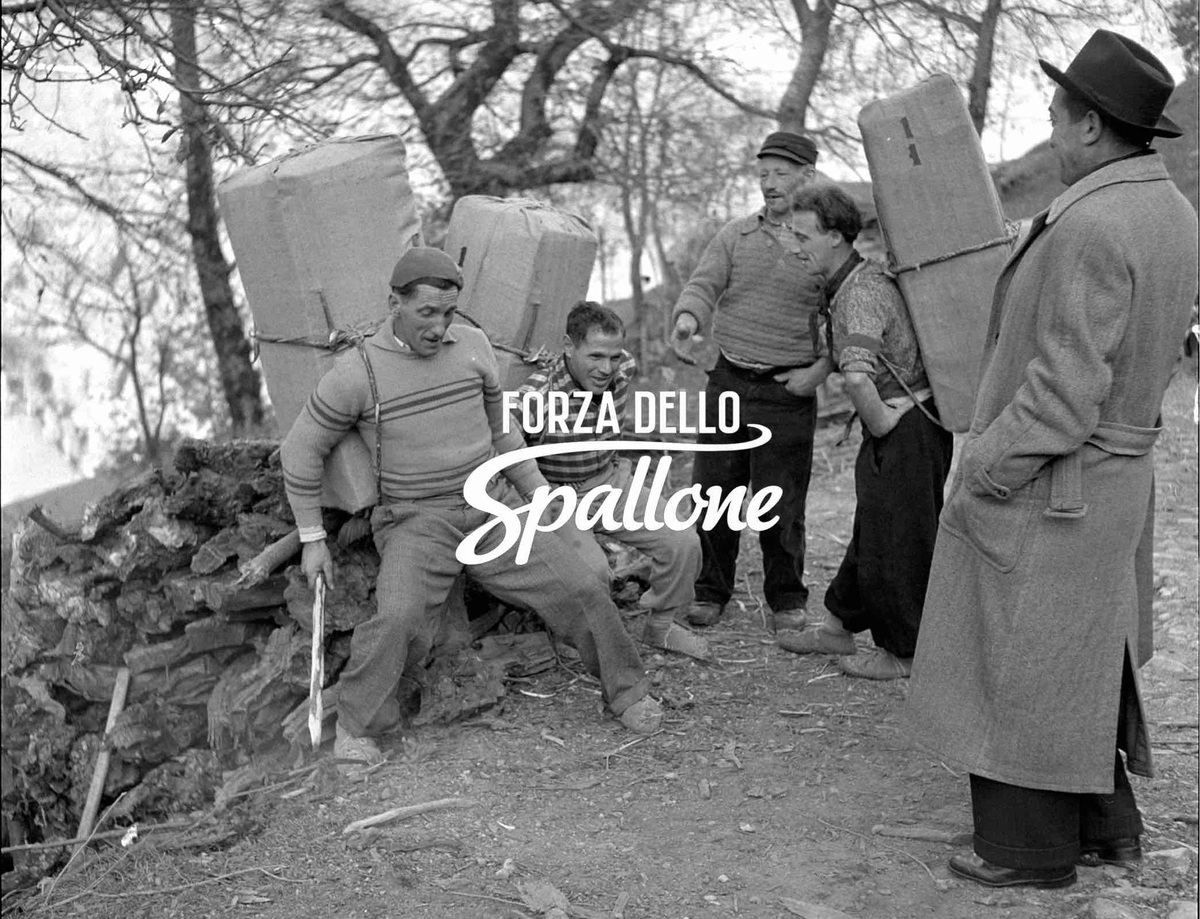
From the 19th century until the 1970s, smuggling between Italy and Switzerland shaped the lives of many people in Italy's border regions. The so-called "Spalloni," derived from the Italian word "spalla" (shoulder), owed their name to the heavy loads they carried in "bricolle" (backpacks) on their shoulders across remote Alpine passes.
Coffee smuggling was particularly significant because coffee was expensive and hard to come by in Italy due to high tariffs and the state monopoly. The Spalloni brought coffee from Switzerland to Italy, where it was served in numerous bars in Northern Italy and often sold "SOTTO BANCO" – under the counter and outside official trade.

Smugglers mostly traveled at night and had to contend with snow, avalanche danger, and controls by border guards and financial officers.
For many, smuggling was not a criminal act but a survival strategy in times of great poverty. With the economic upswing of the 1960s, coffee smuggling gradually lost its importance and was eventually replaced by cigarette smuggling before cross-border smuggling disappeared entirely.
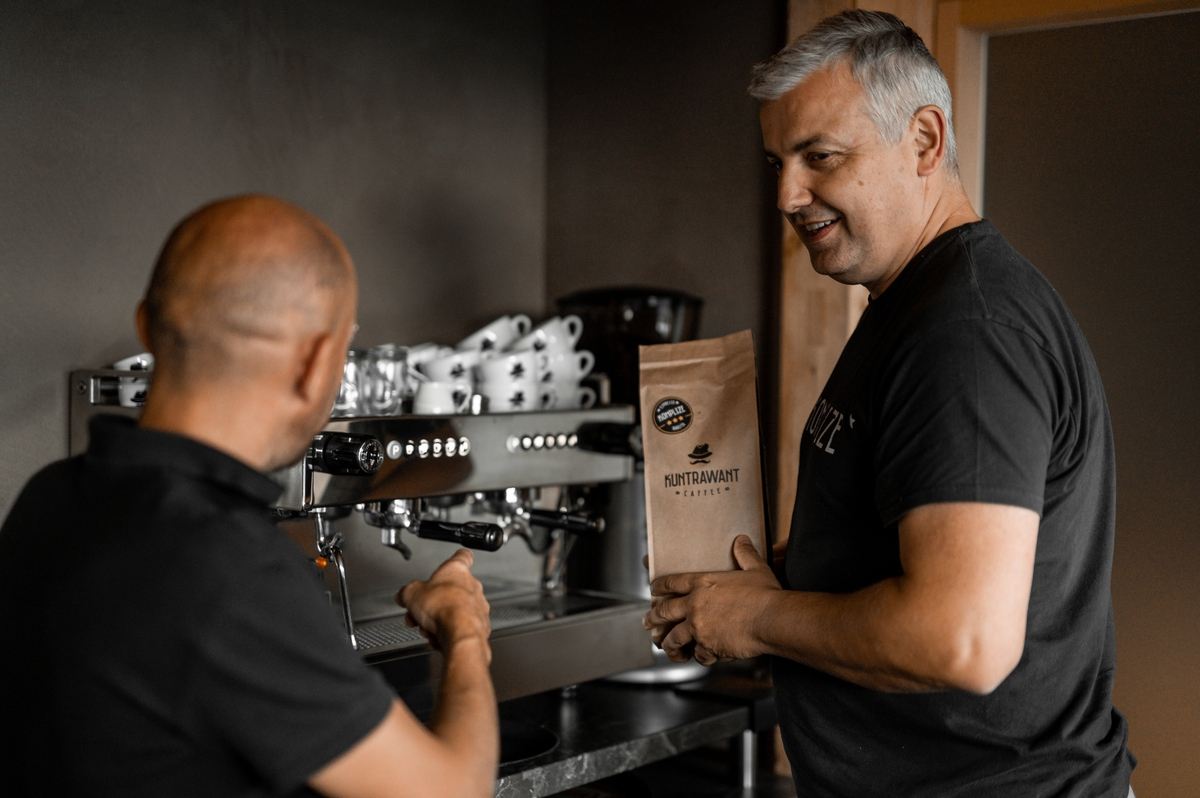
Today, museums and numerous cultural initiatives commemorate the history of these courageous smugglers. The coffee roastery Kuntrawant also embraces this historical heritage with its coffee "Forza dello Spallone."
The name is a tribute to the ItalianSpalloni and especially to the coffee smugglers whose strength, courage, and determination still shape the history of the Italian-Swiss border region today. Their extraordinary achievements and destinies are still recounted and are an integral part of the regional culture of remembrance.
© RDB/Schleiniger